Monolith comes up often in German-language searches alongside us, and it deserves a straight comparison rather than a dismissal.
What Monolith does well
The accessory system, above all. Monolith has one of the deepest ecosystems in European ceramic grilling — multi-level cooking arrangements, rotisserie options, a wide range of stones and inserts. If you want to keep extending the grill for years, that catalogue is a real asset.
They also have the longer presence in the market, particularly in German-speaking countries, with the dealer coverage and accumulated community knowledge that follows. For parts, advice and resale, that maturity counts.
What Evolve does differently
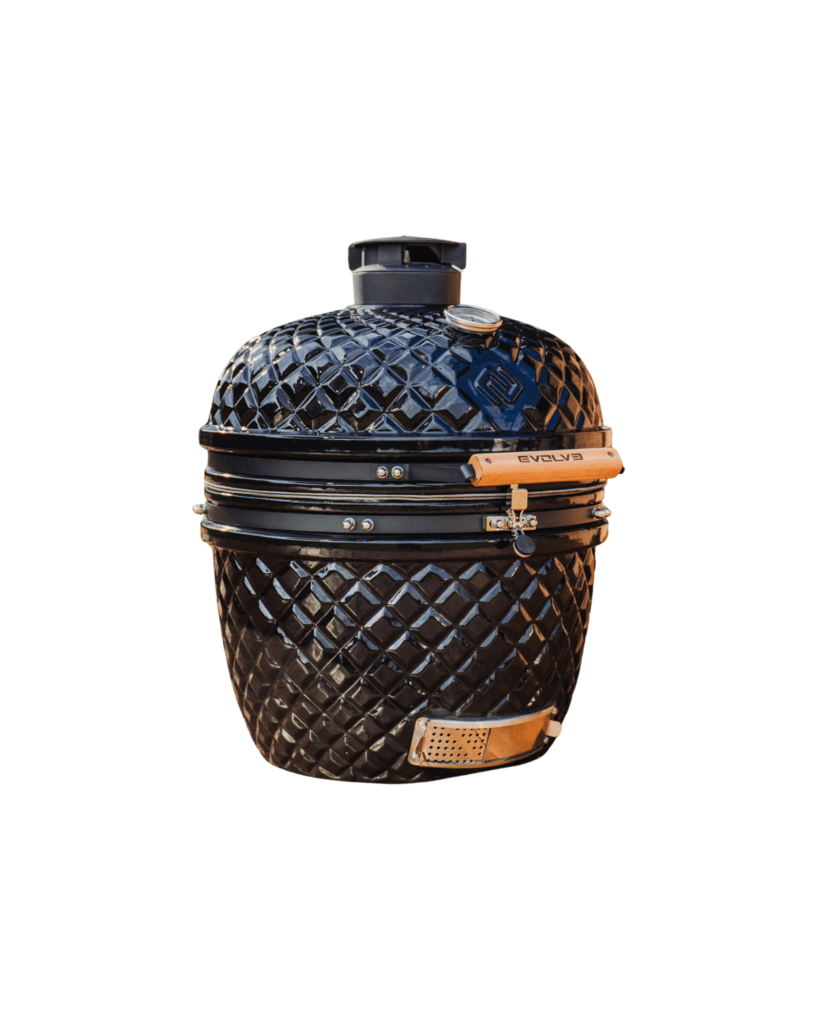
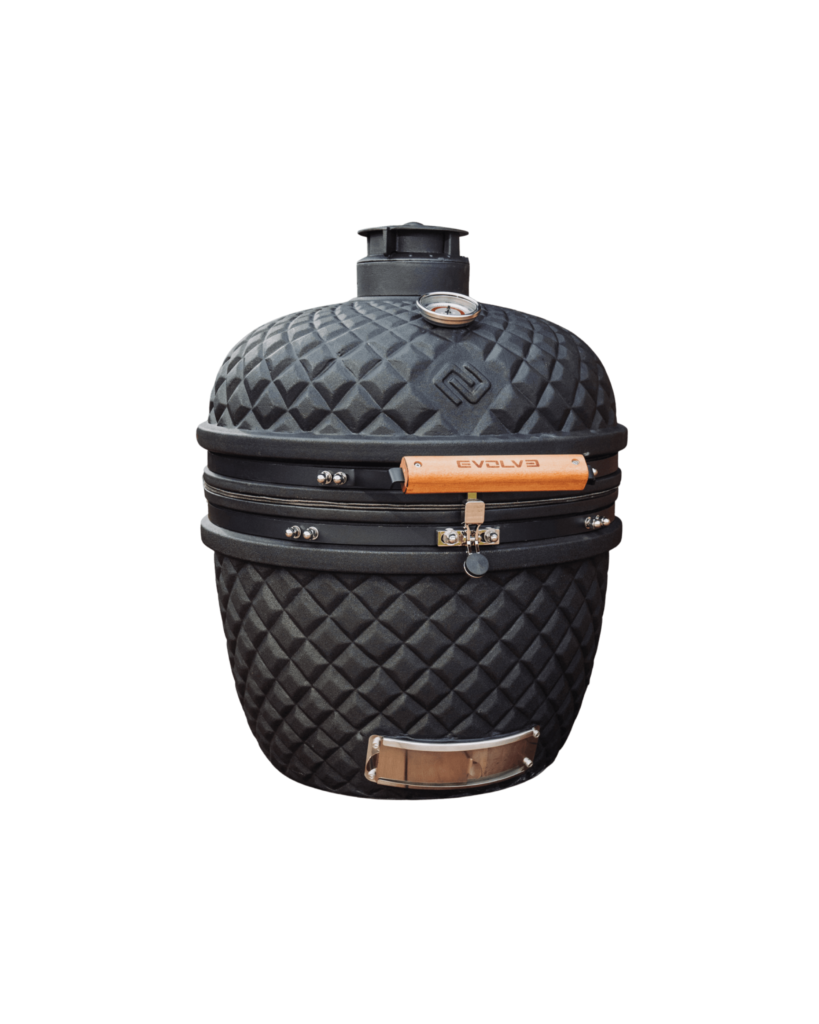
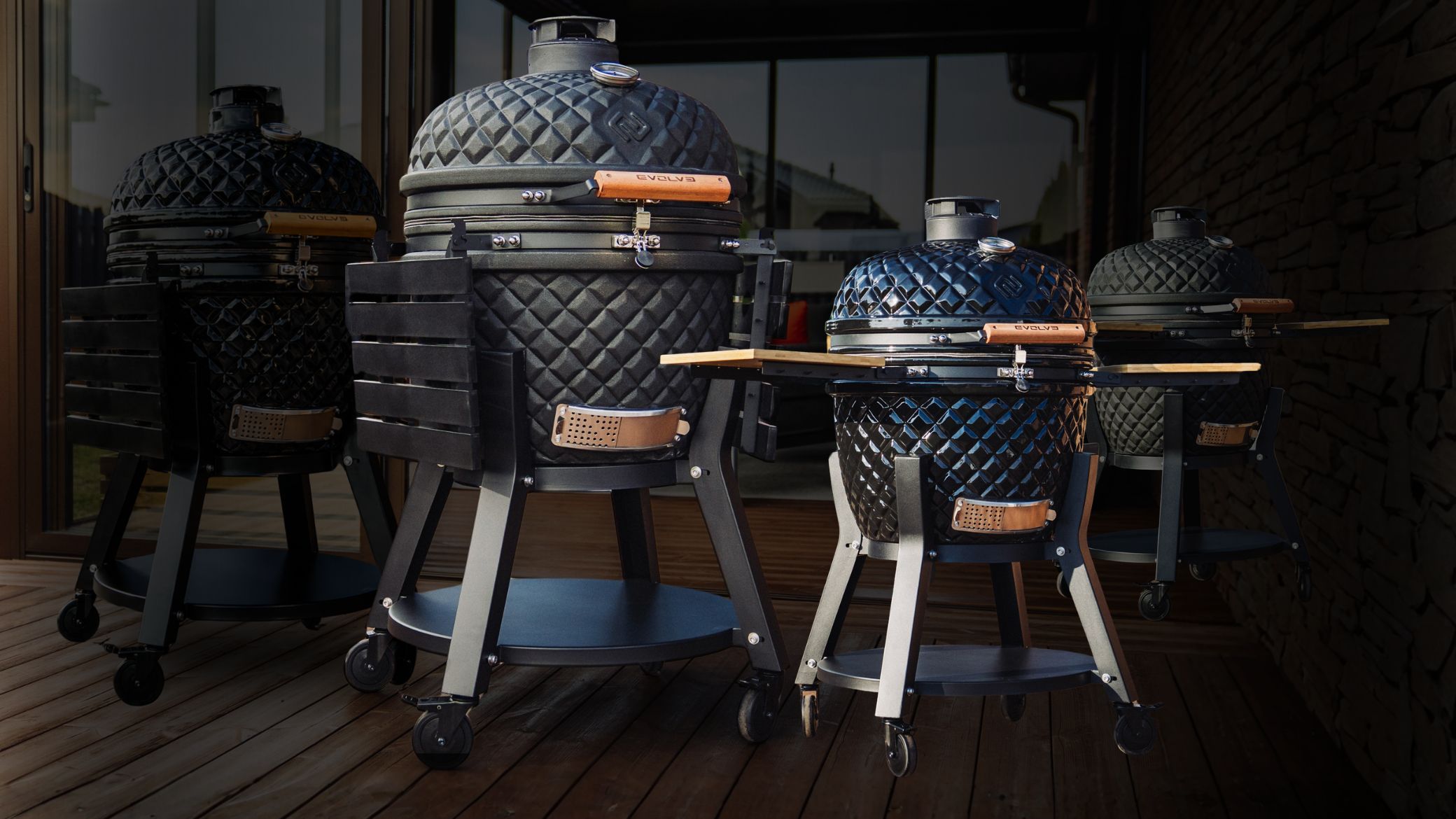
One size, done fully. Evolve builds a single 51 cm grate at roughly 2,040 cm², in two finishes — The Beast in matte and The Beauty in high gloss, identical underneath. Fewer decisions, and that grate is at the large end of the class.
Published pricing, sold direct. EUR 749 and EUR 799 for the solo grills, up to EUR 1,249 for a fully equipped Chef Combo. No dealer margin and no quote request.
Bundles rather than a catalogue. Rather than a long accessory list, the sets arrive with the components most people end up buying anyway — cast iron grates, glazed pizza stone, cart, side tables, tools, ash container — for less than those parts cost individually.
The real trade
Breadth against value. Monolith offers more ways to configure and extend a grill; Evolve offers more grill and more included kit for the money, with less to choose between.
Which is better depends entirely on whether you enjoy the extending. Some people genuinely want a platform to build on over years, and for them the deeper catalogue is the product. Others want the grill and the four accessories they will actually use, delivered at a price they could see before deciding.
What is the same
The cooking. Both are well-made ceramic grills with thick walls, sealing gaskets and two-zone airflow, and at 110 °C or 300 °C the results come from the physics rather than the badge. Anyone claiming a dramatic performance gap between two competent ceramic grills is selling one of them.
If you are comparing across brands, our buying guide sets out the specifications actually worth weighing, and what makes a ceramic grill good at smoking covers the low and slow side. The Evolve range is here.
Frequently asked questions
Is Monolith a good kamado?
Yes. It is one of the better-established European ceramic brands, with a deep accessory system and a strong reputation in the German-speaking market in particular.
Which has more accessories?
Monolith, clearly. Their accessory ecosystem is one of the most developed in the category. Evolve sells a focused set of the components most people actually use.
Which is bigger?
The Evolve grate is 51 cm, around 2,040 cm², at the upper end of the full-size class. Monolith builds several sizes, so it depends which model you compare.
How do the warranties compare?
Evolve gives a limited lifetime warranty on the ceramic base and dome for the original owner with proof of purchase. Check Monolith current terms directly, as warranty conditions vary by market and change over time.