
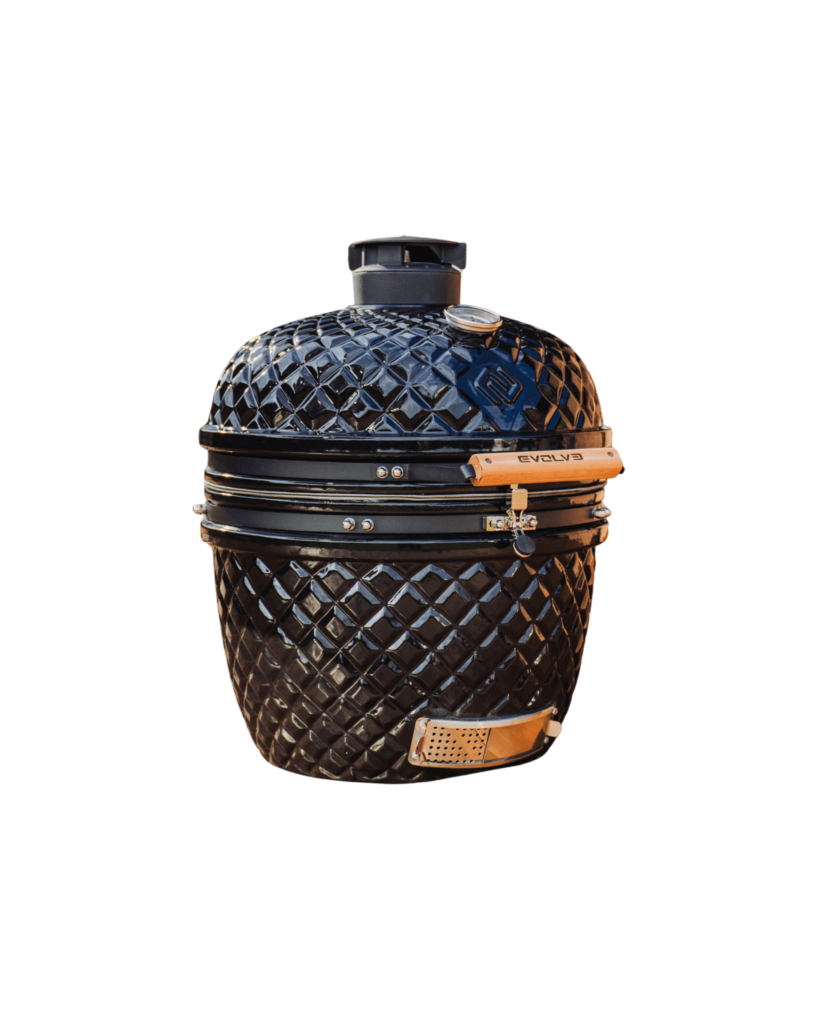
Premium Kamado Grills and Ceramic BBQ Grills
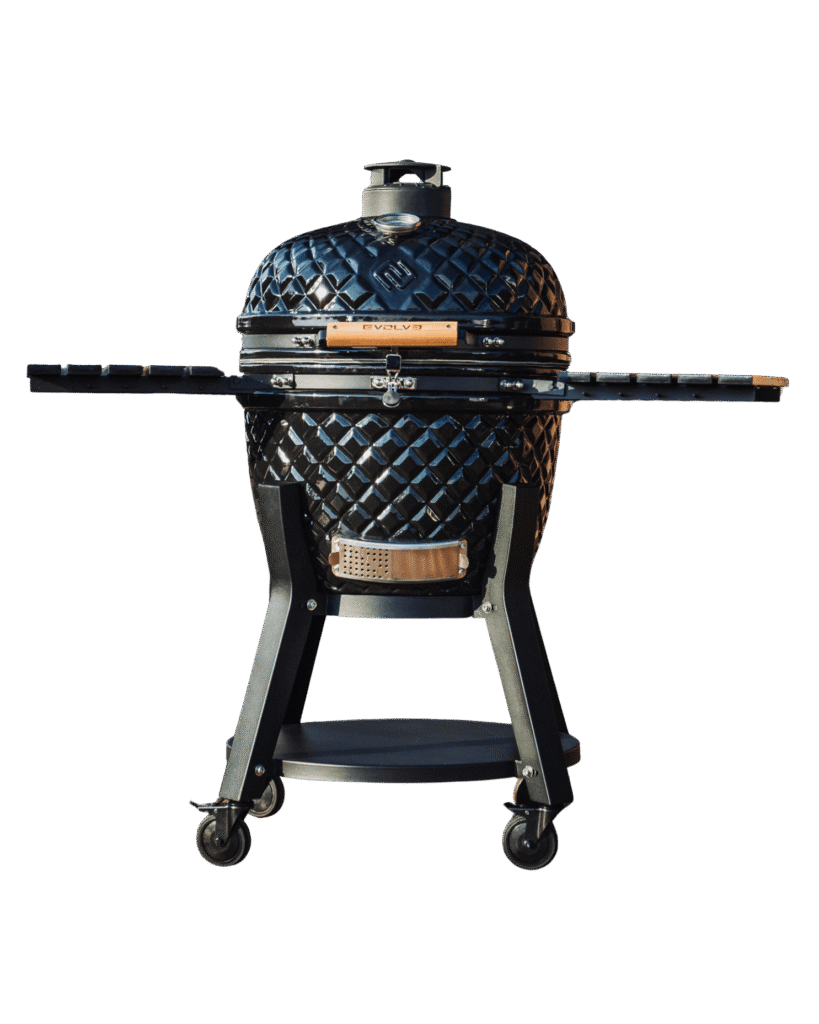
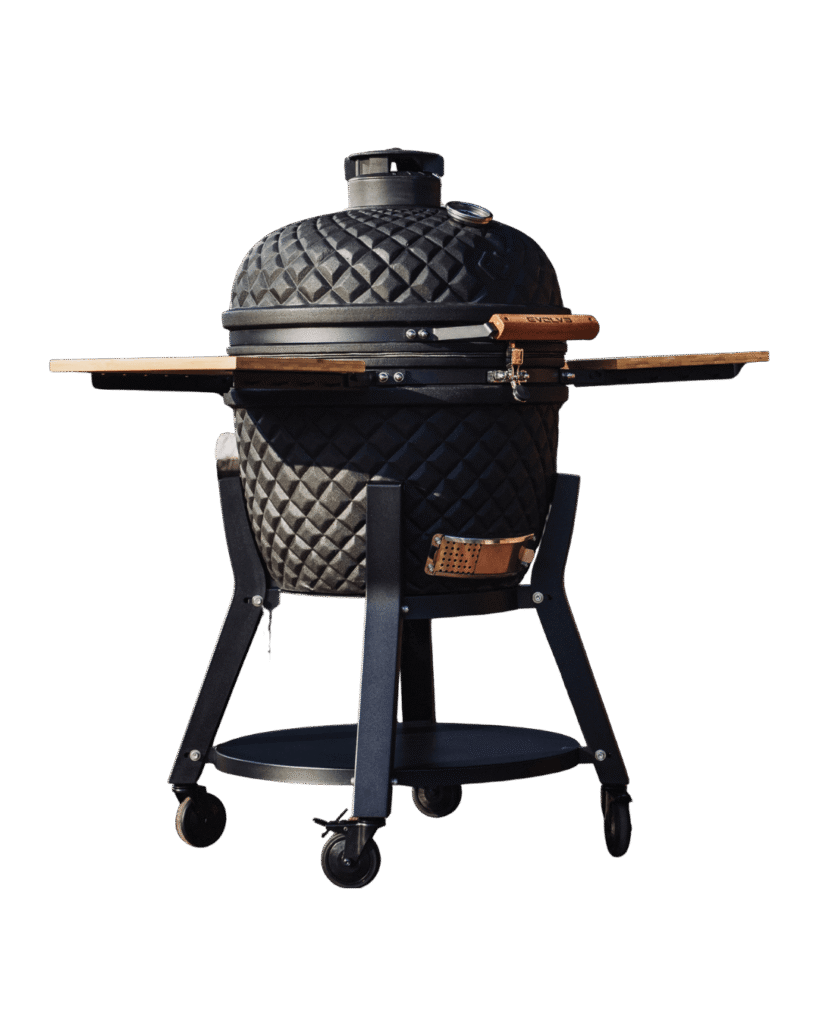
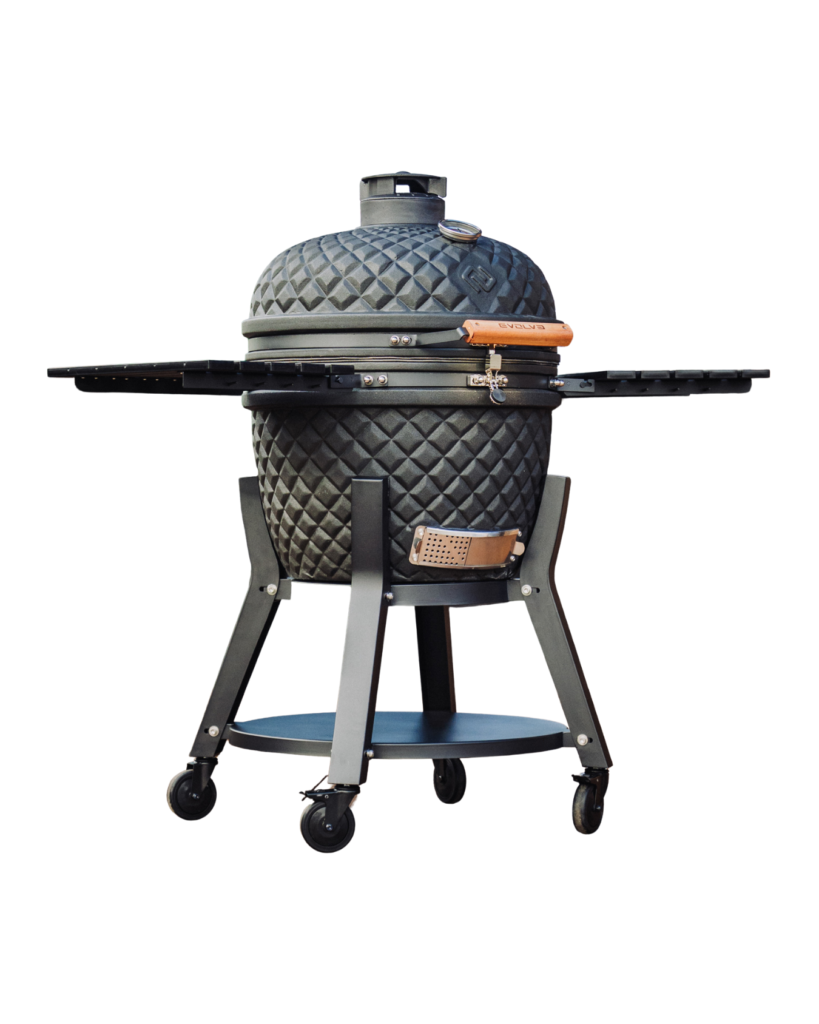
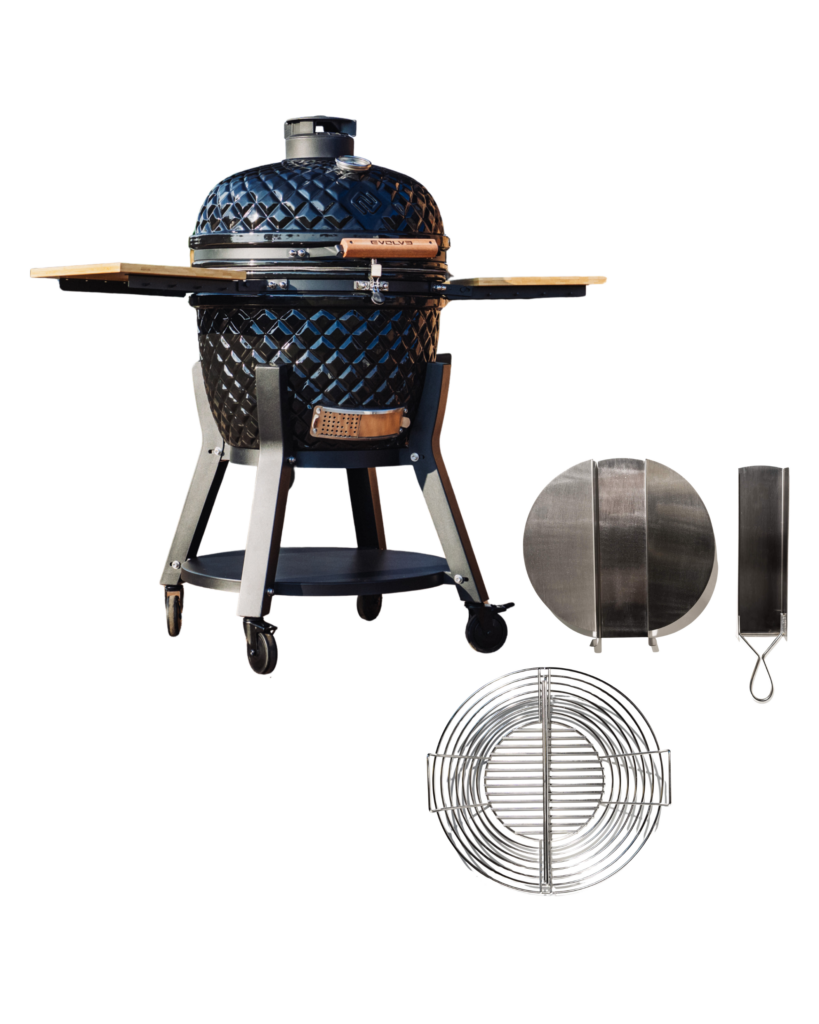
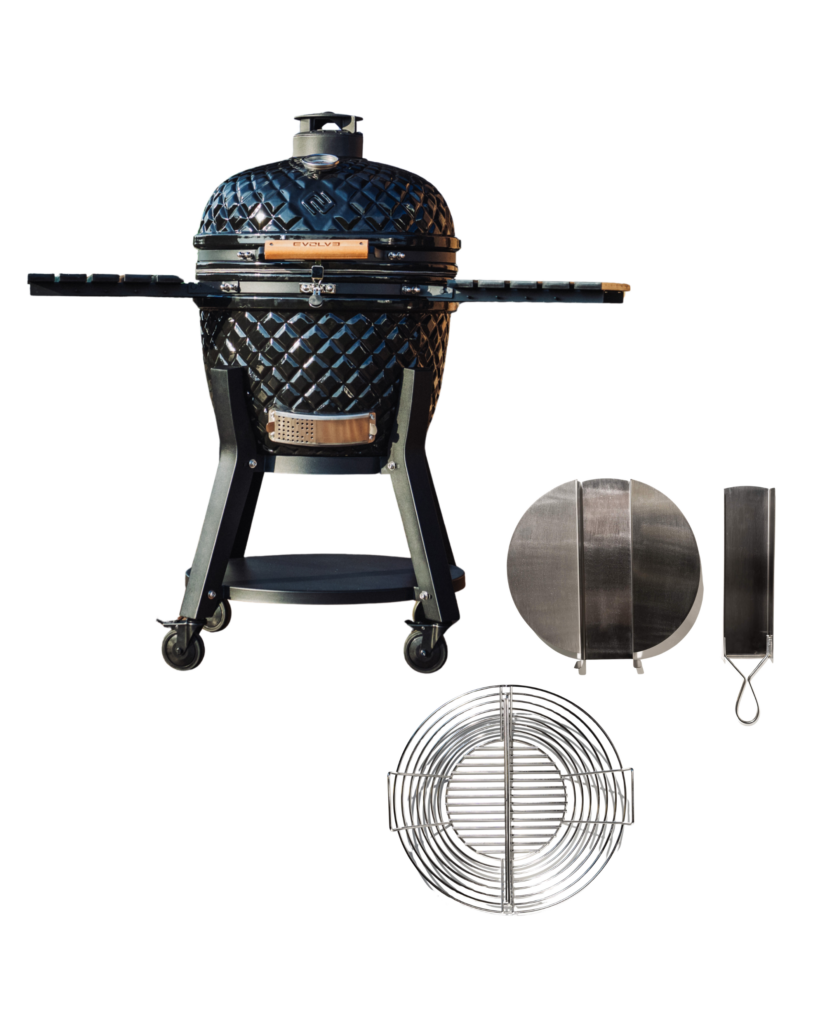
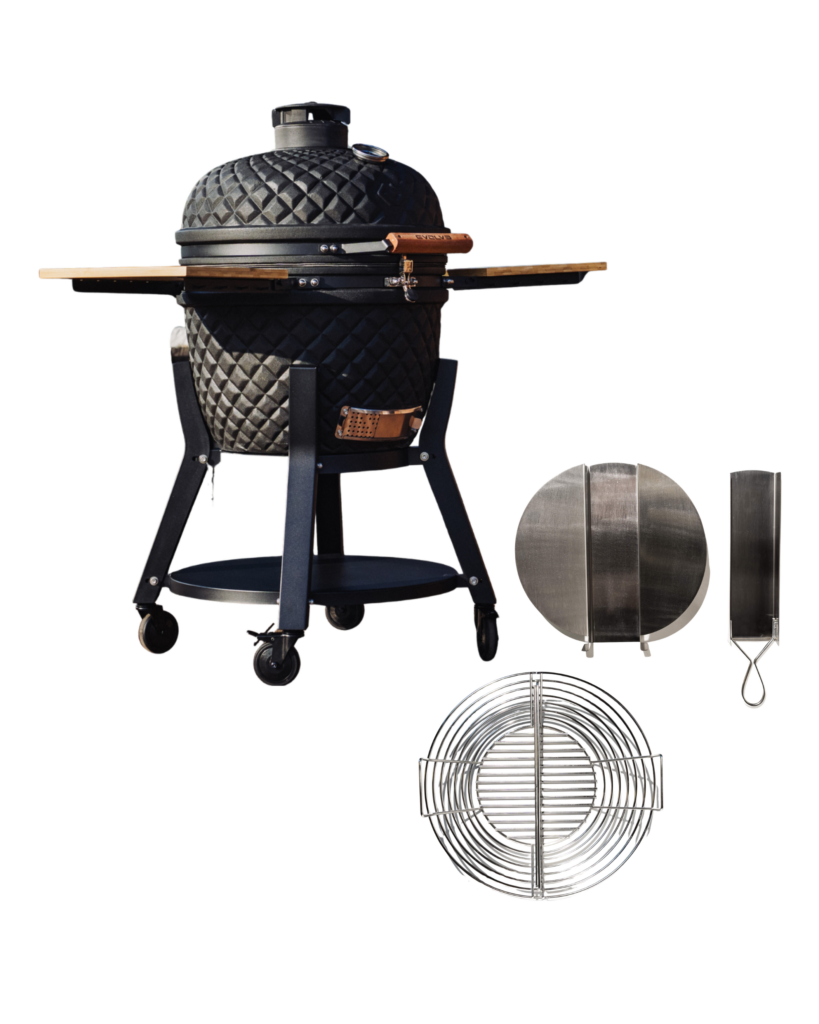
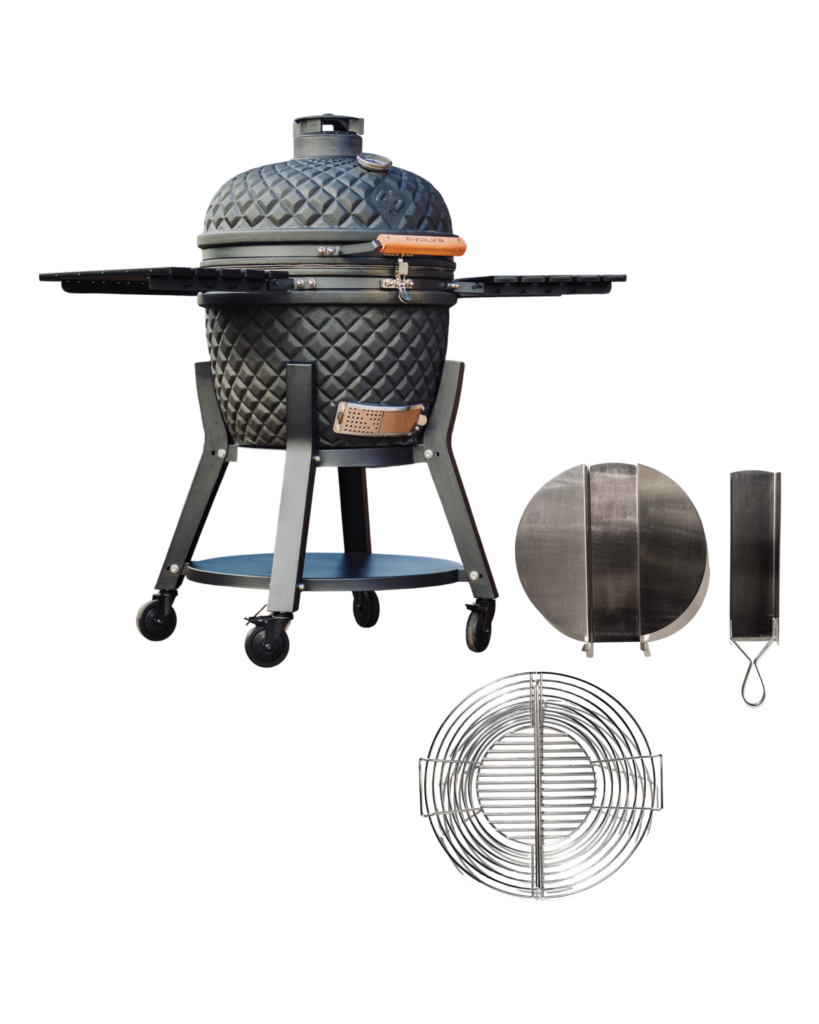
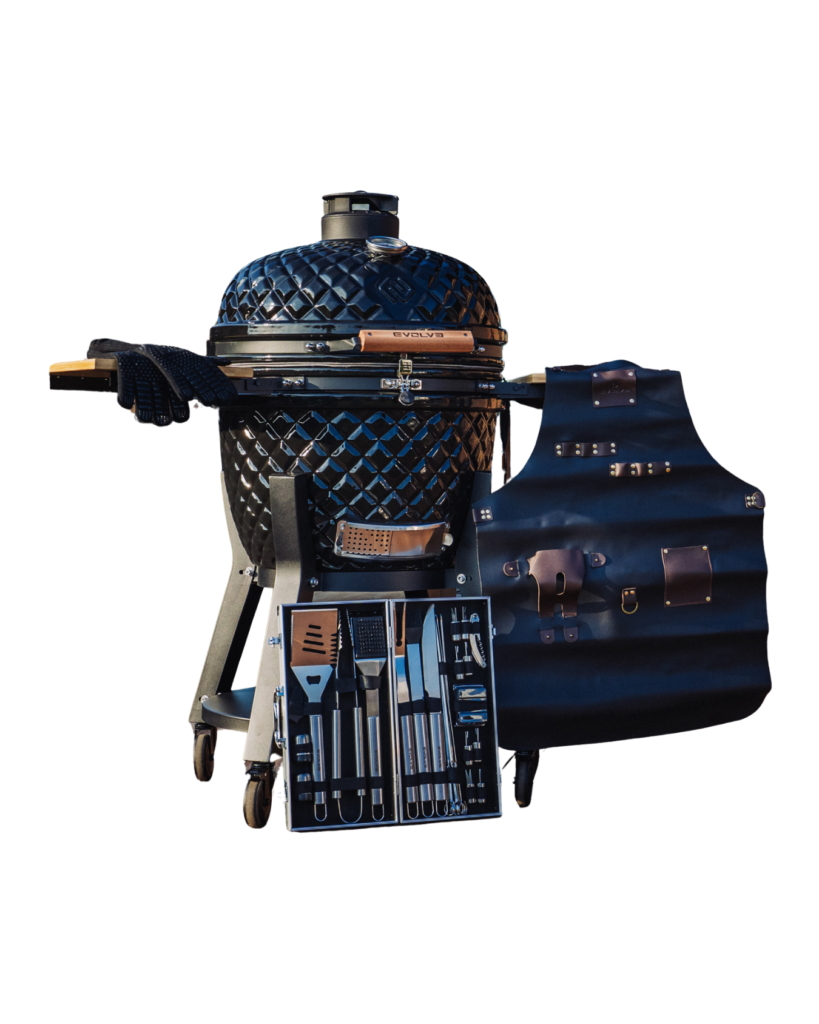
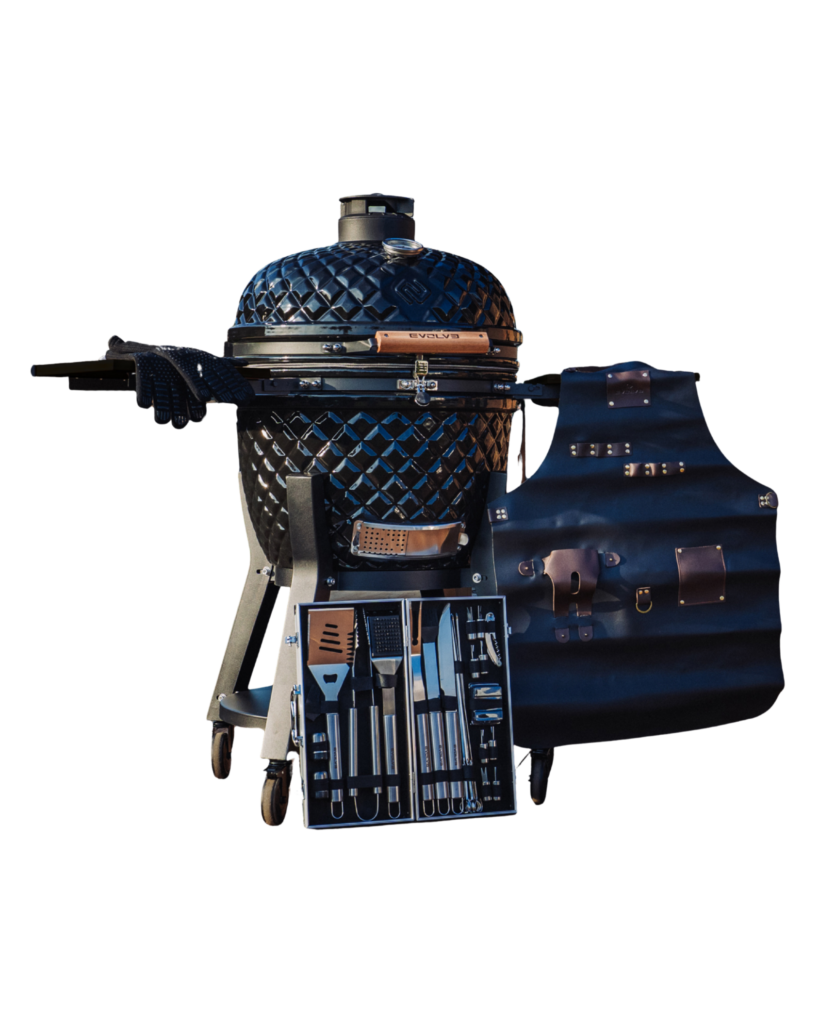
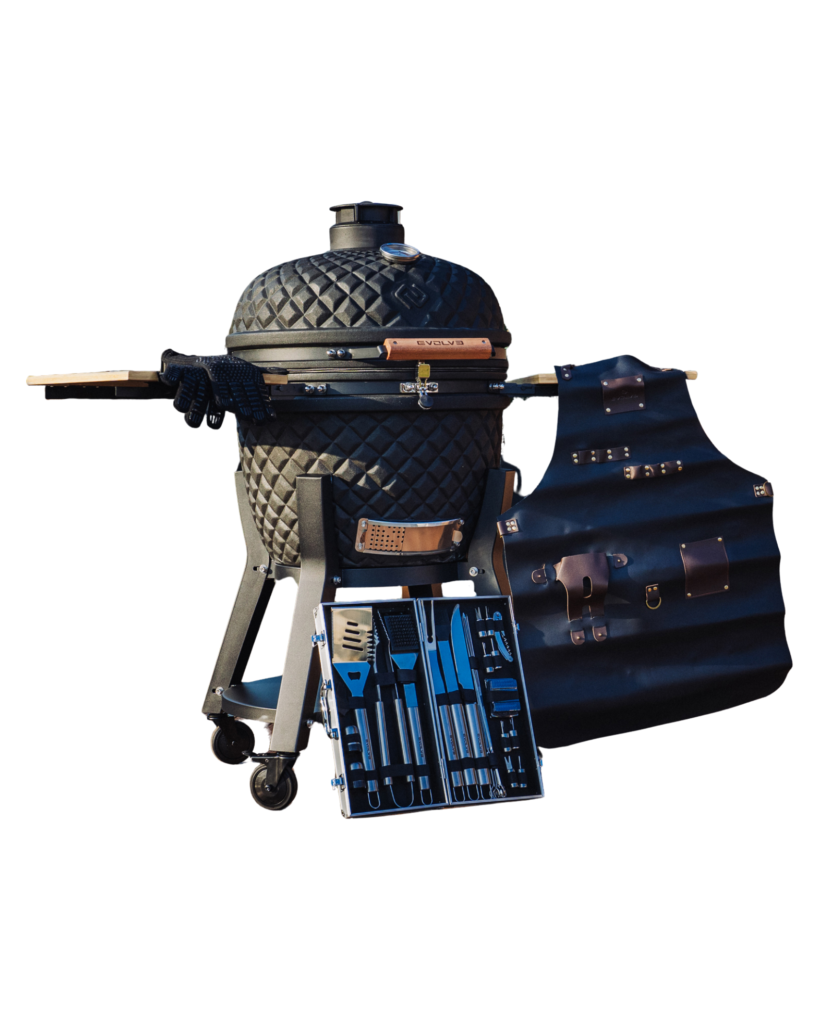
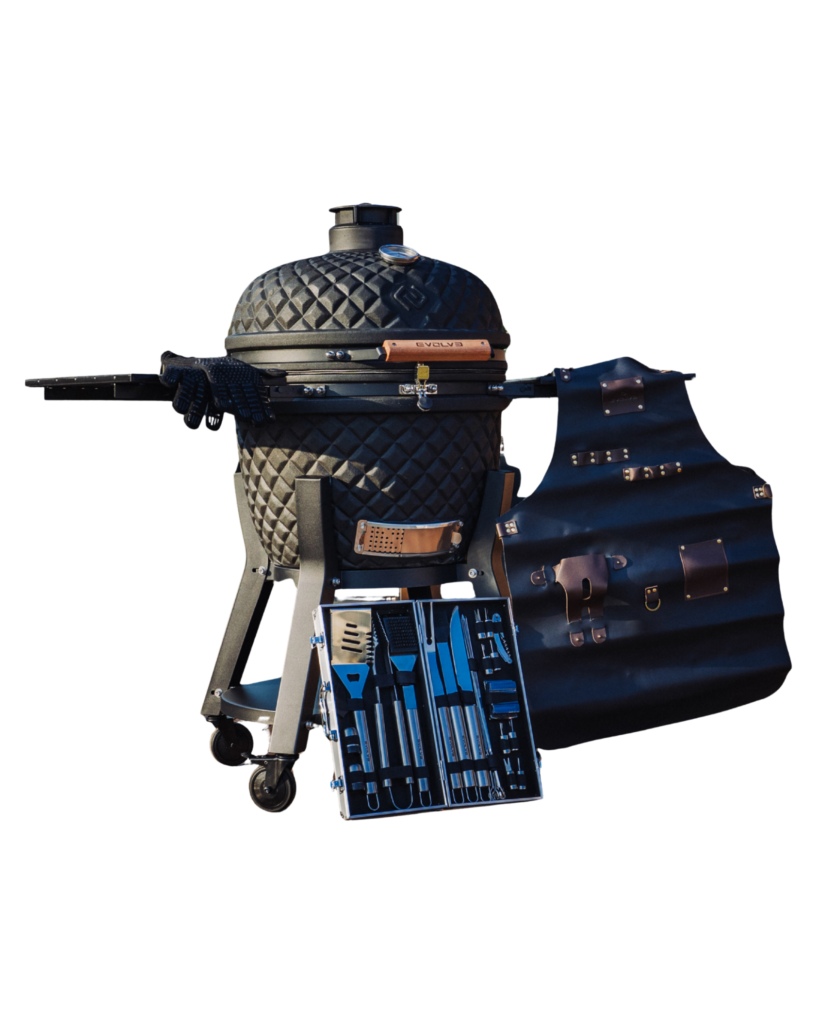

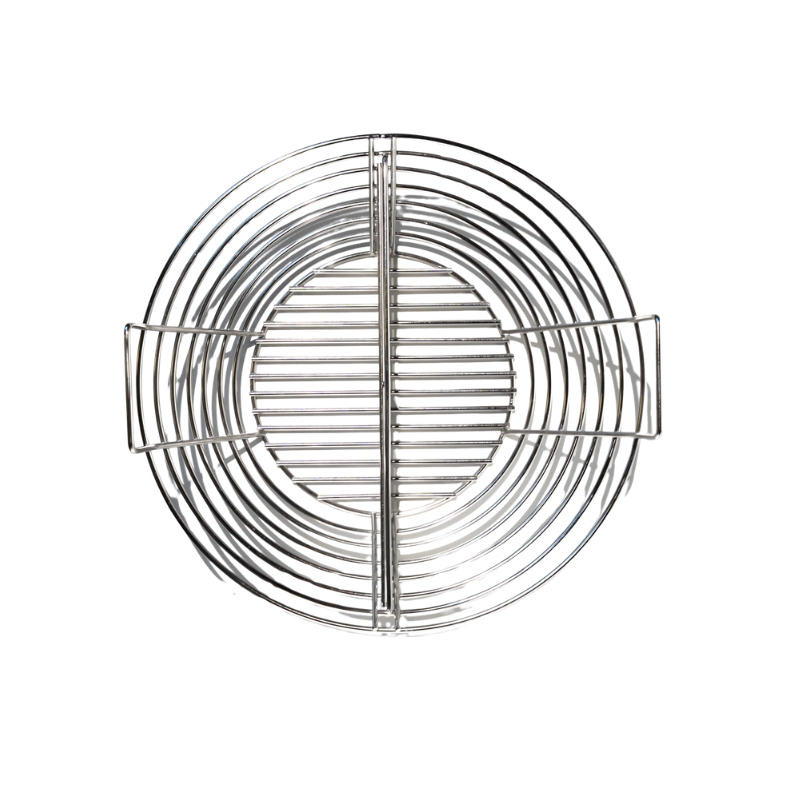
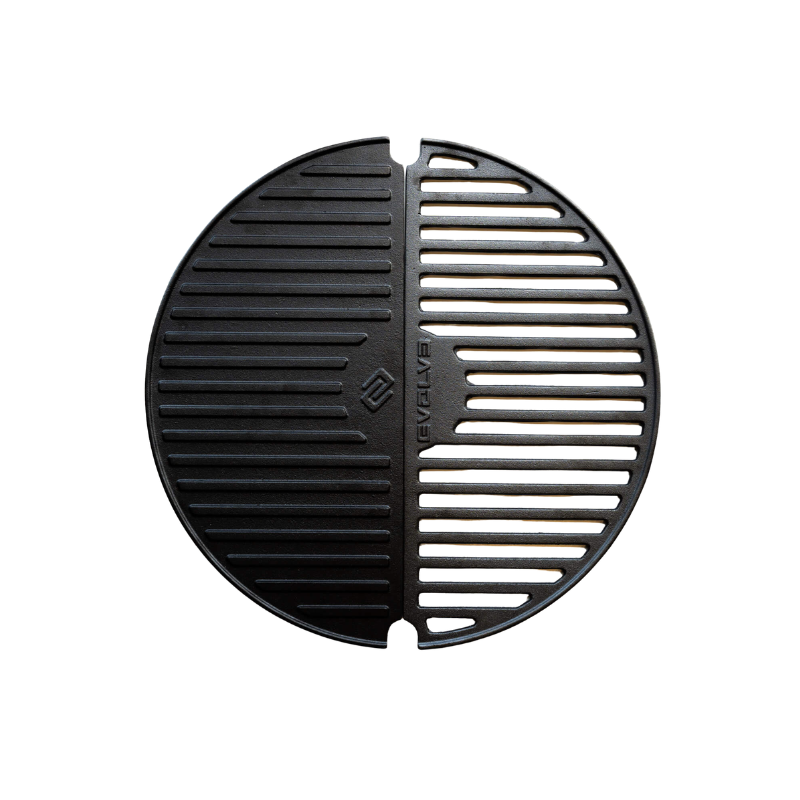
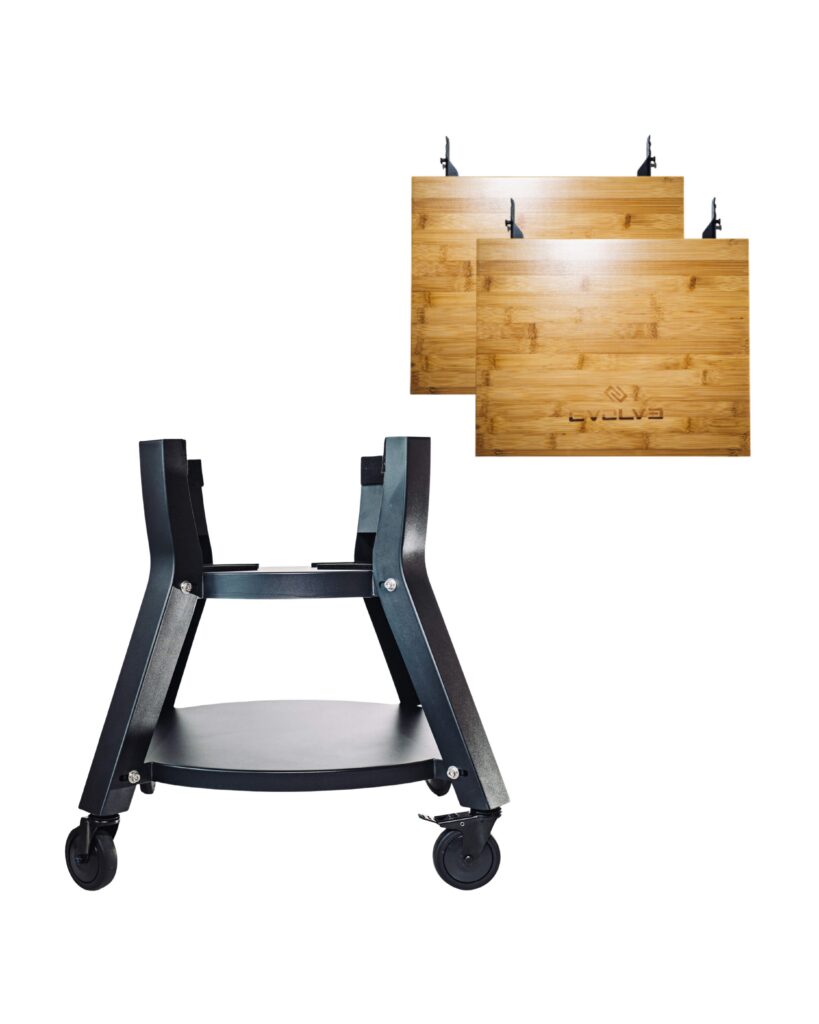
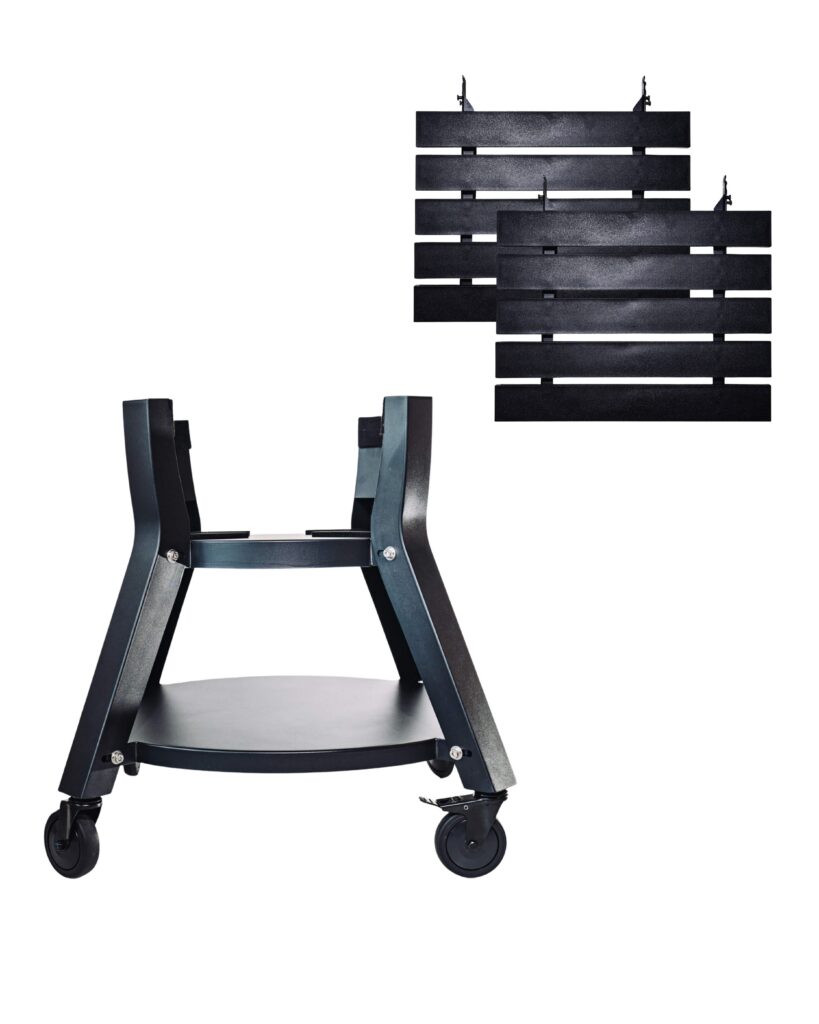
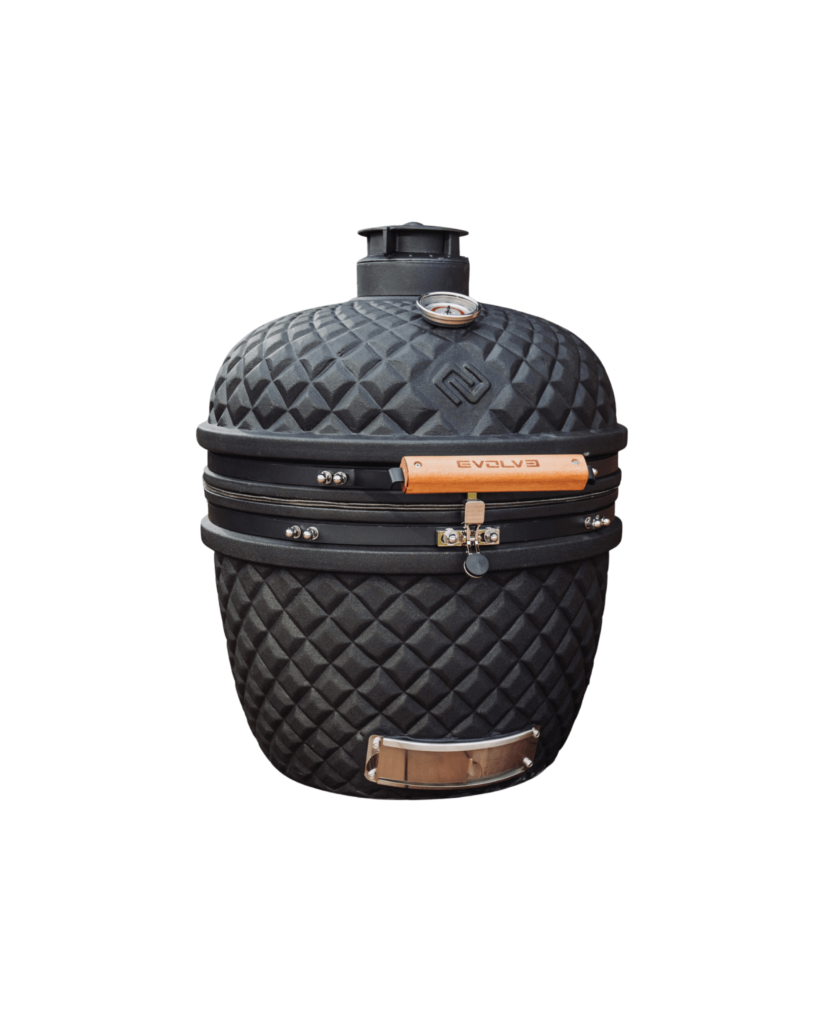
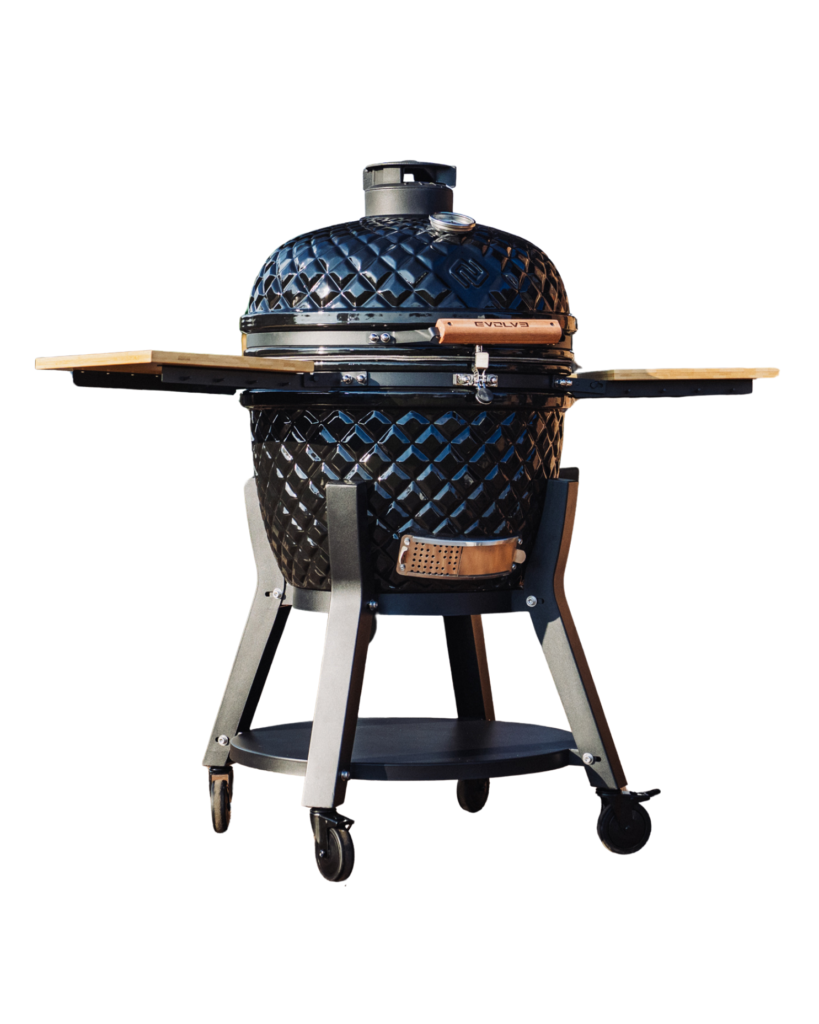
A kamado grill is a ceramic grill in an egg shape, and the difference from a steel kettle sits in the wall. The thick ceramic stores heat rather than giving it off, which is why an Evolve kamado holds its temperature for hours, burns noticeably less charcoal, and runs anywhere from a low 110 °C for slow smoking up to 350 °C and beyond for pizza. One outdoor ceramic grill covers grilling, smoking and baking without a second appliance.
Why choose a ceramic kamado?
A charcoal kamado grill works by insulation rather than brute heat. Because the ceramic holds the temperature, the fire needs less fuel and far less attention: you set the two vents once and the grill stays where you put it, instead of being nudged up and down for the length of a cook. That stability is what makes low and slow possible on a barbecue you also use for a weeknight steak.
The sealed ceramic body also keeps moisture in. Meat that would dry out over several hours in a vented steel barbecue stays succulent, and the same body that smokes a brisket at 110 °C will hold 350 °C under a pizza stone an hour later.
Evolve Kamado vs a traditional barbecue
Against a gas barbecue, the trade is convenience for flavour and range: gas lights faster, a kamado BBQ cooks with charcoal and reaches temperatures a gas burner will not hold. Against a conventional charcoal kettle, the kamado wins on control and fuel use — a thin steel wall radiates heat outward all cook long, which is why a kettle needs refuelling and constant vent adjustment where a ceramic grill does not.
Against other ceramic grills, the differences are size and how you buy. The Evolve grate measures 51 cm, around 2,040 cm² of cooking surface — roughly 8 to 21 percent more than most comparable kamados, where a Big Green Egg Large is 46 cm and 1,688 cm². Evolve also sells direct at published prices, with no dealer network and no showroom margin.
Which Evolve kamado should you choose?
There are two models and the choice is aesthetic, not functional. The Beast is matte in an urban design and hides marks well. The Beauty is high gloss with a diamond pattern and costs EUR 50 less. Ceramic, grate, two-zone system, ventilation and warranty are identical across both, so pick the finish you want to look at.
What changes the price is how much comes with it. The solo kamado from EUR 749 is the grill alone, and everything can be added later. A premium cart with side tables in HDPE or bamboo starts at EUR 949 and makes the grill mobile with somewhere to work. The complete sets go further: the Easy Clean SET from EUR 999, and the Chef Combo from EUR 1,199, which adds cast iron grates, a glazed pizza stone, tools and an ash container for less than those parts cost separately.
Sizes and configurations
Every Evolve kamado shares the same 51 cm grate, so capacity does not change between models or sets — around 2,040 cm² takes roughly eight burgers or two full racks of ribs at once. What you are choosing between is the configuration around that grill: solo, with cart and side tables, or as a full set.
If you would rather specify it yourself, the configurator lets you build a custom kamado grill step by step and see the price as you go. Accessories can be matched afterwards from the kamado accessories range, and the ready-made bundles are listed under Chef’s Sets. Not sure yet? Build your own kamado walks through the decisions in order.
Frequently asked questions
Should I buy the solo kamado or a complete set?
The solo kamado is the grill alone, and everything can be added later at any time. A set is the cheaper route if you already know you want the cart, the cast iron grates and the pizza stone — bought together in a Chef Combo they cost less than the same items added individually.
What is the difference between The Beast and The Beauty?
Only the finish. The Beast is matte in an urban design and hides marks well; The Beauty is high gloss with a diamond pattern and costs EUR 50 less. Ceramic, the 51 cm grate, the two-zone system, ventilation and warranty are identical, so the choice is aesthetic rather than functional.
How does a kamado compare to a gas grill?
A gas grill lights faster and is easier to clean. A kamado cooks with charcoal, holds temperature far longer, uses less fuel over a long cook, and reaches temperatures a gas burner will not hold — so it covers smoking and pizza as well as grilling.
Can a kamado stay outside all year?
Yes, the ceramic itself is not harmed by cold. What matters is water: keep the grill covered and dry, because moisture soaked into the ceramic can freeze and crack it. Empty the ash before winter and leave the vents shut.
How long does a kamado hold its temperature?
On a full basket of charcoal a low-and-slow cook at 110 to 130 °C runs for many hours without refuelling, because the ceramic is doing most of the work. Temperature is set with the two vents rather than by adding fuel.
What is included in the warranty?
The ceramic base and dome carry a limited lifetime warranty for the original owner, validated with proof of purchase. Normal wear and wear parts such as the gasket are excluded.