Ceramic is frost-proof — the ash is the problem. What needs to happen before the first frost, and why grilling in winter is more efficient than you’d think.
Wintering a kamado: the grill can stay outside — ceramic is frost-proof. Only two things matter: the ash needs to come out beforehand, and you only cover it once the grill has fully cooled and dried.
The short answer: your kamado can stay outdoors. Ceramic is frost-proof, doesn’t rust, and takes no damage from cold. Two things still need doing, though, and one of them is almost always forgotten.
Wintering a kamado: the ash has to come out
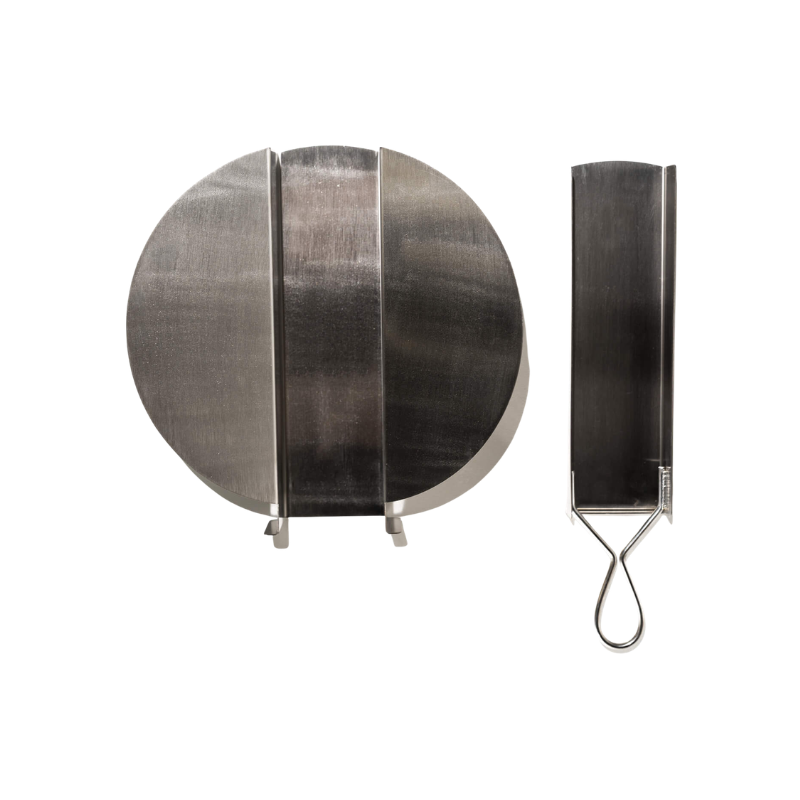
Ash is hygroscopic — it pulls moisture from the air. Left in the firebox over winter, it turns into a damp, alkaline mass that attacks metal parts and clogs the lower vents. Come spring, that’s an unpleasant cleaning job that five minutes in autumn avoids entirely. With an Easy Clean ash container, you just pull the container out and you’re done.
Let it cool completely, then cover it
A rain cover comes standard with every model in the Evolve Ultra Series. The order matters: the grill needs to be cold and dry before the cover goes on. Covering a grill that’s still damp traps the moisture in instead of keeping it out.
Also leave the vents open a crack. That lets residual moisture escape instead of condensing inside.
What happens to the side tables
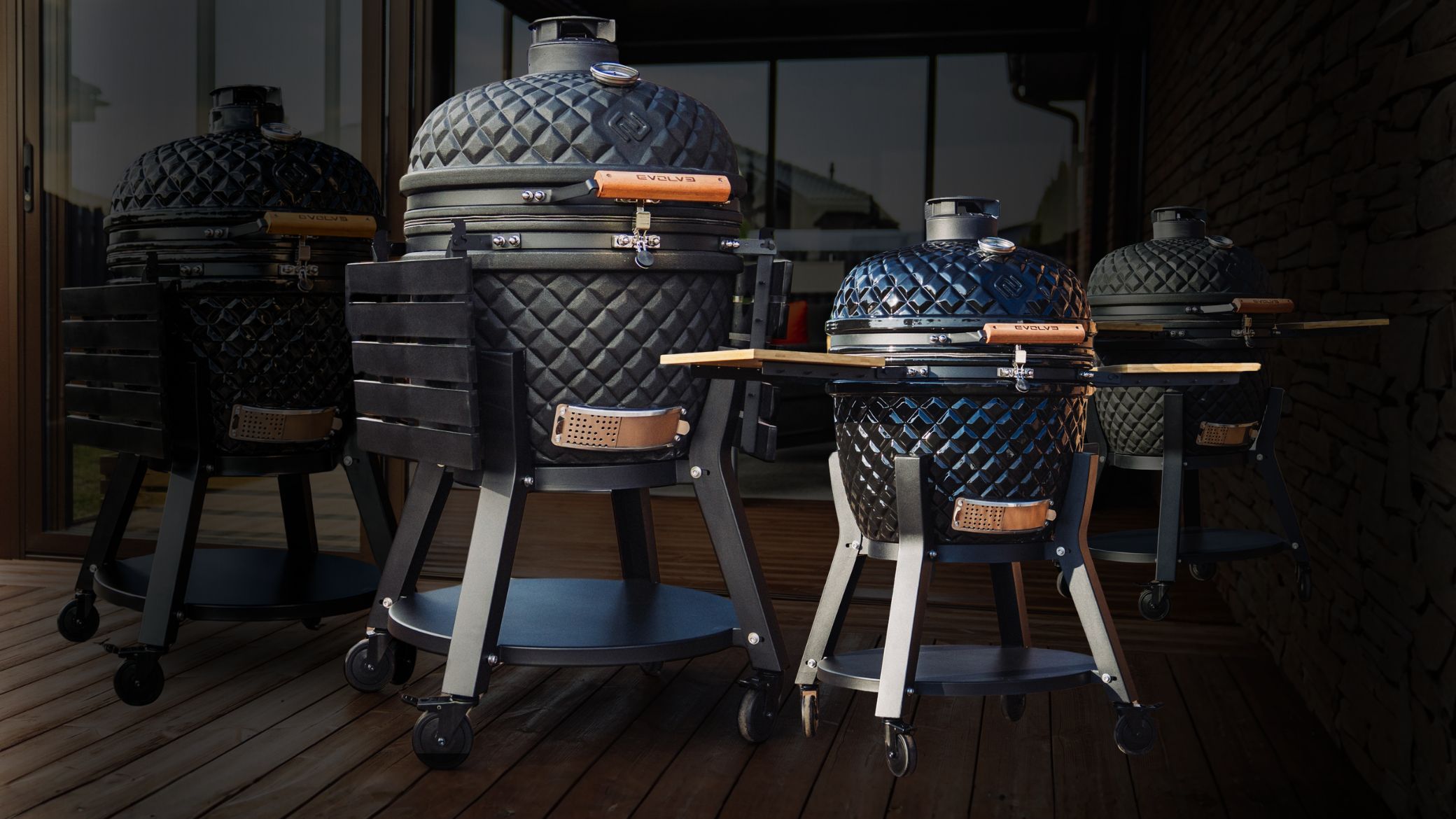
This is where the one real material difference lies. HDPE absorbs no water, doesn’t warp, and needs no winter prep at all — which makes the premium cart with HDPE the lower-maintenance choice for a grill that stays outside year-round. Bamboo looks warmer, but should be kept sheltered or covered over winter.
Wintering a kamado and still grilling
Here’s the surprising part: a kamado runs almost as efficiently in the cold as it does in summer. The thick ceramic insulates so well that outside temperature barely affects the cooking chamber temperature — unlike a steel grill, which loses heat outward and noticeably burns more fuel in winter. Mulled wine and smoking in January are no compromise with a ceramic grill.
Four steps before the first frost
Remove the ash. Brush the grates while still warm. Let the grill cool completely. Put the rain cover on, vents open a crack. Nothing more is needed — and the warranty covers the full service life regardless of where the grill is kept.
Frequently asked questions
Can frost crack the ceramic?
Not as long as no moisture is trapped in the material. That’s why the inside is cleaned dry — burned off and brushed out, never with water.
Does the grill need to go in the garage?
No. If you do bring it inside, make sure there’s ventilation — a covered grill in a damp room fares worse than one outdoors under a cover.
Does it take longer to light in winter?
A little, because the ceramic starts cold. Once it’s warmed through, the grill behaves just like it does in summer.
Wintering a kamado: the mistake that shows up in spring
Almost all winter damage to ceramic grills traces back to the same sequence: the grill gets covered after its last use while still warm or damp. Residual moisture condenses under the cover, the ash soaks it up, and over three months that becomes a damp, corrosive mass on exactly the metal parts that are hardest to reach.
The routine that prevents this takes ten minutes: ash out, brush the grates while warm, let it cool completely, only then cover it and leave the vents open a crack. Winter your kamado this way, and you’ll find it in spring in the same condition you left it.
For why porous materials are sensitive to frost when moisture gets trapped inside, see the Wikipedia article on frost weathering.
Frequently asked questions about winter
Does the rain cover need to stay on all winter?
Yes, but not sealed airtight. The cover keeps precipitation out; the vents stay open a crack so residual moisture can escape instead of condensing inside.
Can I light the kamado in freezing weather?
Yes. Just heat it up slowly instead of opening it wide right away — a fast temperature jump on a very cold ceramic body puts unnecessary stress on the glaze.
Winter is also when it becomes obvious which accessories were worth having. An ash tray makes the pre-frost clear-out a two-minute job instead of a chore you postpone, and bamboo side tables are the one component that genuinely benefits from coming indoors. Both are in the accessories range. If you are still deciding which grill to winter in the first place, the buying guide and the collection are the place to start.