Ceramic grills last a long time, which is exactly why the consumable parts matter. Here is what genuinely wears, roughly how long each lasts, and what to check before you buy.
The gasket — first to go
The felt or fibreglass seal between dome and base takes the most punishment. It compresses with every closure and degrades with heat, and high-temperature cooking is what kills it — a grill used mainly for pizza will go through gaskets faster than one used mainly for brisket.
You will know when it needs replacing: the grill stops responding properly to vent adjustments and runs hotter than it should, because air is leaking in around the rim rather than through the vents you are controlling.
It is a straightforward replacement — peel the old one, clean the surface, fit the new one — and it is the single part most worth confirming is available before you buy any brand.
The fire ring and firebox
These sit closest to the fire and take repeated thermal cycling. Hairline cracks are normal and usually cosmetic — ceramic expands and contracts, and a crack that stays put is not a failure.
Replace them when a piece is genuinely broken and no longer supporting the grate, or when a crack is wide enough to let charcoal through. On most grills this is a matter of years, not seasons.
Hinge and hardware
Bands, bolts and springs sit outside the fire but live outdoors. Bolts loosen over time and bands can need retightening — worth checking annually, because a dome that sits misaligned will not seal even with a new gasket.
The thermometer
Dome thermometers drift. If yours reads oddly, check it in boiling water — it should read 100 °C at sea level. They are cheap to replace and worth replacing when they drift, since every temperature decision you make depends on that dial.
What should not wear
The ceramic base and dome. That is the expensive part and the part that should outlast everything else — which is why the warranty on the ceramic specifically, rather than the grill as a whole, is the figure worth reading.
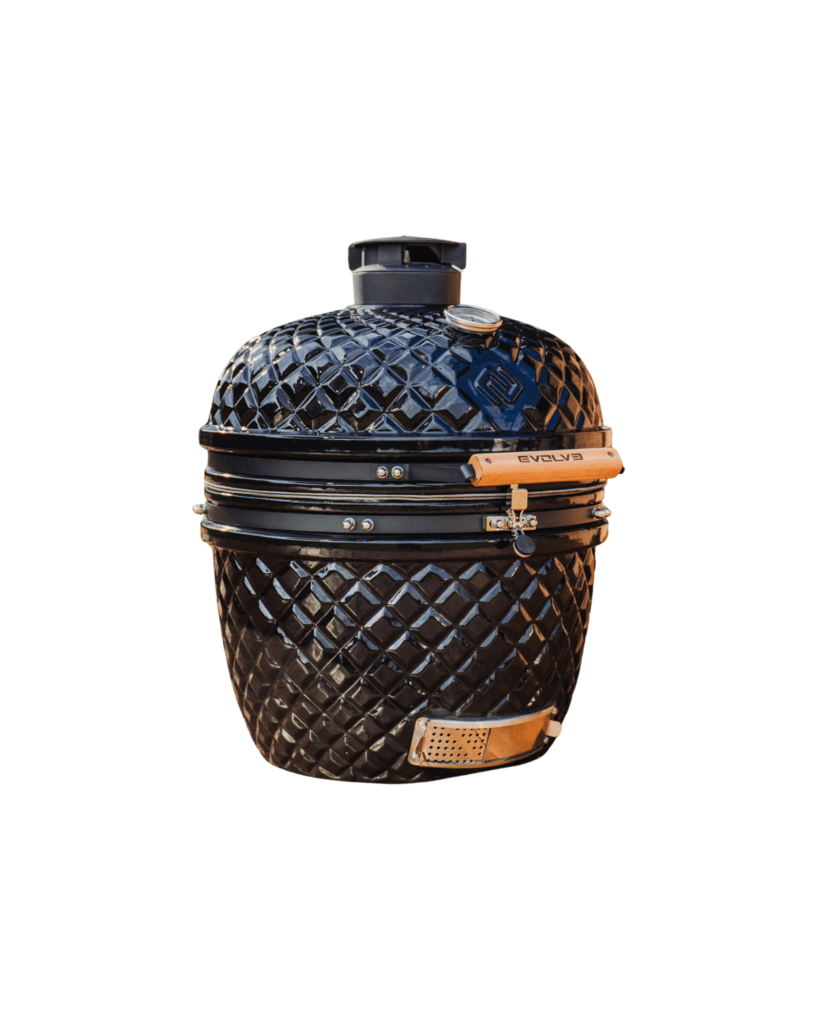
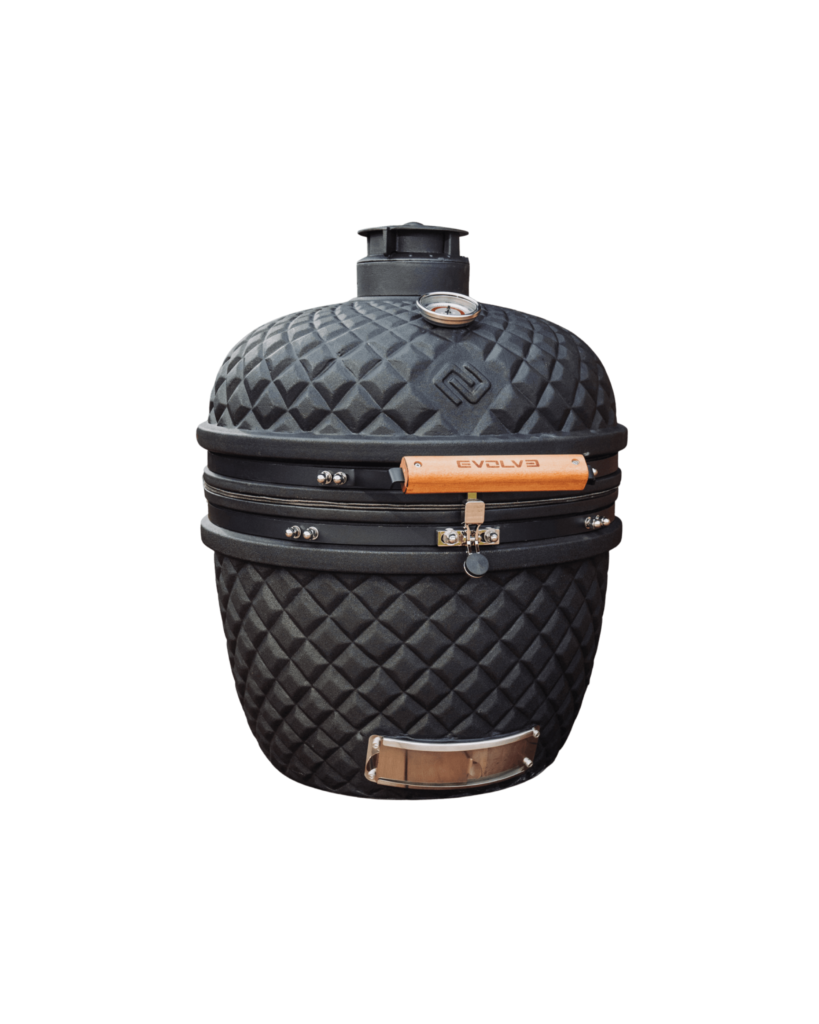
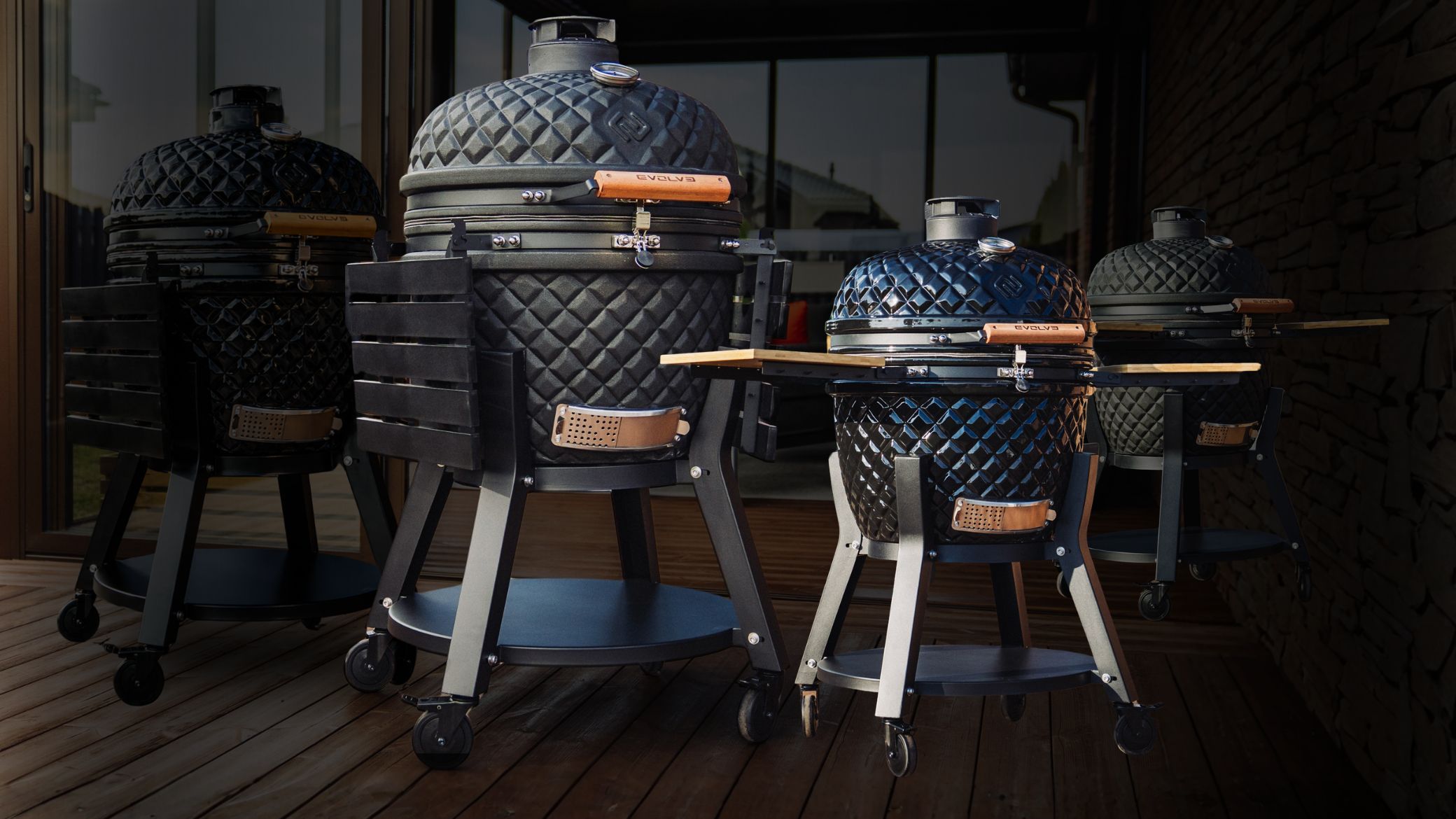
Evolve covers the ceramic base and dome with a limited lifetime warranty for the original owner, validated with proof of purchase. Normal wear and wear parts such as the gasket are excluded, which is standard across the category and is exactly why the availability of those parts matters.
What to check before buying any kamado
Are wear parts sold separately, what do they cost, and how long has the manufacturer been supporting the model? A grill with a lifetime ceramic warranty and no available gasket is not a lifetime grill.
Regular care extends all of this considerably — cleaning and maintenance covers the routine that keeps the gasket alive longest, and wintering covers the seasonal part.
Frequently asked questions
What wears out on a kamado?
The gasket first, then the fire ring and firebox over a longer period, and the felt or hardware on the hinge. The ceramic base and dome should outlast all of it.
How often does the gasket need replacing?
Depends entirely on how often you cook at high temperature. Heavy pizza use shortens its life considerably; mostly low and slow cooking extends it for years.
Can a cracked firebox be replaced?
Yes, on most brands, and a hairline crack in the firebox is not a failure — it is common and usually cosmetic. The outer ceramic is the part that matters structurally.
What should I check before buying?
That wear parts are actually sold separately, and what they cost. A grill with an unobtainable gasket is a grill with a limited life regardless of the warranty on the ceramic.