Charcoal consumption is the running cost people forget to ask about, and it is one of the places a ceramic grill quietly pays for itself.
Roughly what to expect
Figures vary with weather, charcoal quality and how often you open the lid, but the shape is consistent:
- Low and slow, 110 to 130 °C: a full basket will run most of a day. An eight-hour cook on one load is normal, not optimistic.
- Mid-range roasting, 160 to 200 °C: several hours from a well-filled basket.
- High heat, 300 °C and up: this is where consumption climbs — a pizza session will work through charcoal noticeably faster.
The pattern worth noticing is how flat the low end is. Doubling the length of a low cook does not double the fuel, because most of what the grill needs is already stored in the walls.
Why it uses so little
A steel barbecue radiates heat through its wall all cook long, and the fire exists largely to replace that loss. Ceramic absorbs it instead and gives it back inward, so once the body is saturated the charcoal is only making up what escapes through the vents and what the food absorbs.
That is also why opening the lid costs less on a kamado. A kettle loses the hot air and has to rebuild it; a kamado loses the air but keeps the heat in its walls, and comes back almost immediately.
Making a basket last
Fill it properly. Under-filling is a false economy — a half-filled basket burns down to nothing and forces a refuel mid-cook. Unburnt charcoal is simply stock for next time.
Light one spot for a long cook. A single ignition point lets the fire creep slowly through the basket rather than establishing across all of it at once.
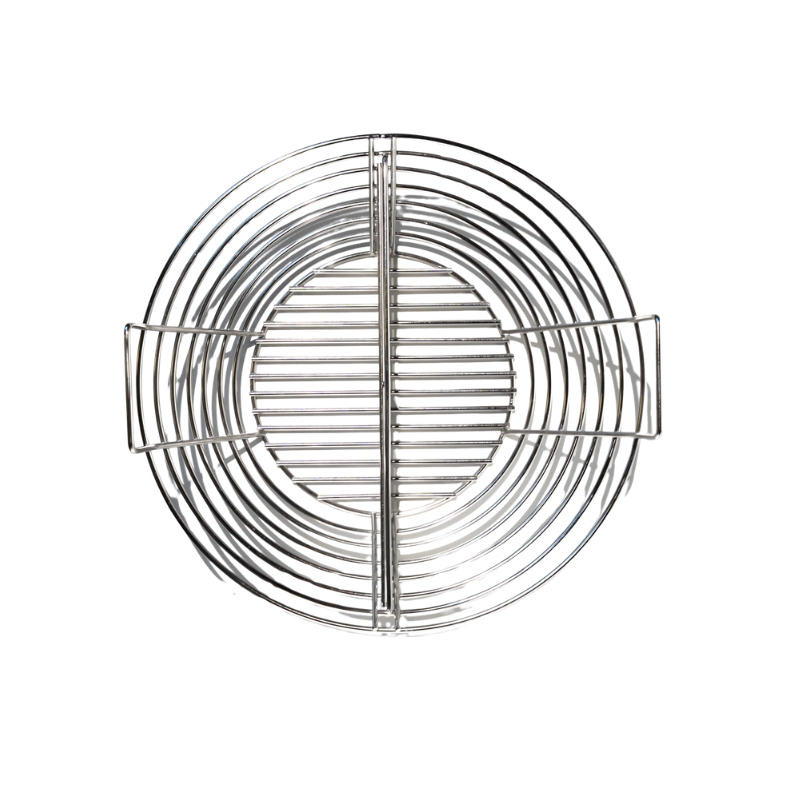
Use a charcoal basket. Keeping the fuel in a defined volume rather than spread across the bowl makes a two-zone fire hold its shape and makes leftovers easy to lift out with the ash.
Clear ash before every cook. Ash smothers the lower vent, and a starved fire burns badly and inefficiently.
Shut both vents when you finish. Starve the fire rather than letting it burn out, and you keep most of what is left.
The cost in context
Over a season, a ceramic grill used regularly will get through markedly less charcoal than a steel barbecue doing the same cooking — not because it burns differently, but because it wastes less. Against a pellet grill, which feeds fuel continuously and draws mains power throughout, the gap is wider still.
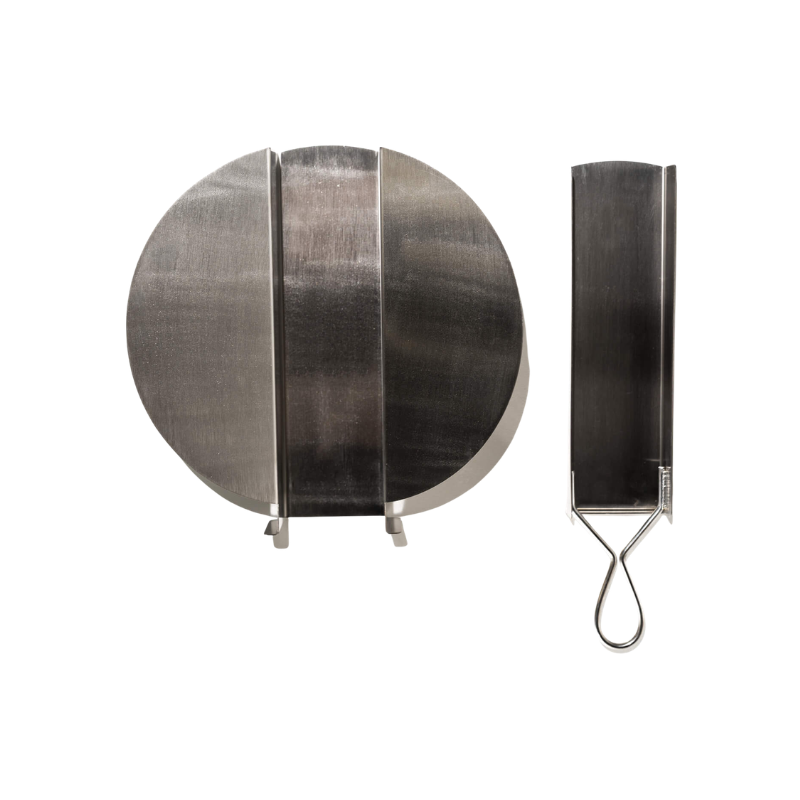
A charcoal basket is the single accessory that most improves fuel efficiency, and an ash tray makes the clearing step quick enough that you actually do it. Both sit in the accessories range.
Frequently asked questions
Does a kamado use less charcoal than a normal barbecue?
Considerably less on long cooks. A steel barbecue loses heat through its wall continuously and the fire has to replace it; ceramic keeps that heat, so the fire only tops up what the food and the vents take away.
Can I reuse charcoal left over from last time?
Yes, and you should. Closing both vents after cooking starves the fire and leaves usable charcoal. Stir it, clear the ash beneath, and add fresh on top.
Does a bigger kamado burn more charcoal?
Not necessarily. You light only the portion of the basket you need, so a larger grill running at the same temperature burns at a similar rate — it simply holds more in reserve.
What kind of charcoal is best?
Lump hardwood. It lights faster, burns hotter, leaves far less ash and contains no binders. Briquettes produce more ash, which blocks the lower vent and restricts airflow.